

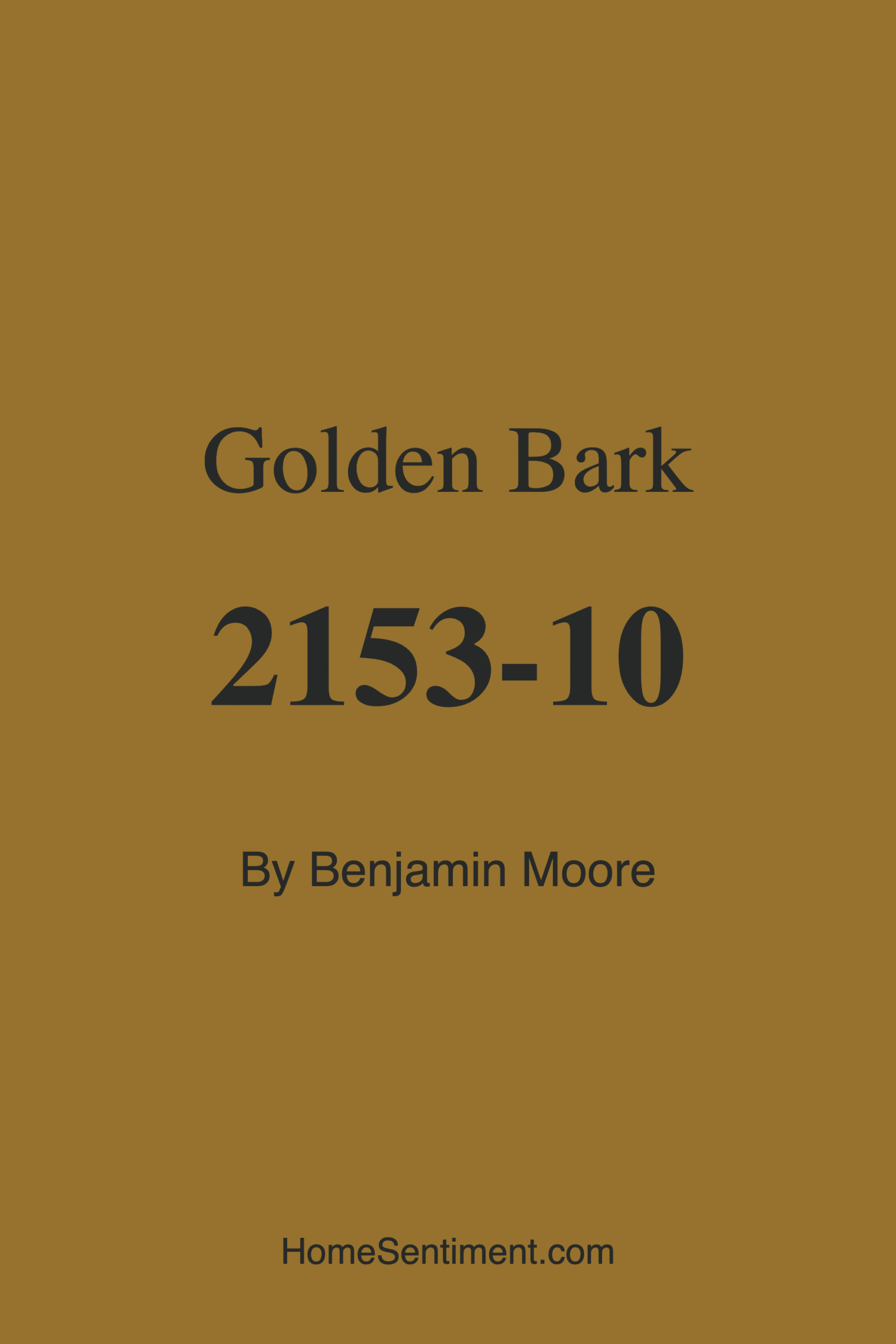
Color Preview & Key Details
| HEX Code | #96722E |
| RGB | 150, 114, 46 |
| LRV | 18.99% |
| Undertone | Red |
| Finish Options | Eggshell, Matte, Satin, Semi-Gloss |
If you’re looking for a paint color that wraps a room in warmth and natural elegance, Benjamin Moore’s Golden Bark (2153-10) might just be your perfect match. This rich, earthy brown with golden undertones is like a cozy embrace—ideal for creating spaces that feel grounded and inviting. Whether you’re designing a living room that begs for relaxation, a bedroom that feels like a retreat, or a dining room that exudes rustic charm, Golden Bark delivers. But before you grab a brush, let’s dive into everything you need to know to decide if this is the right color for your home.
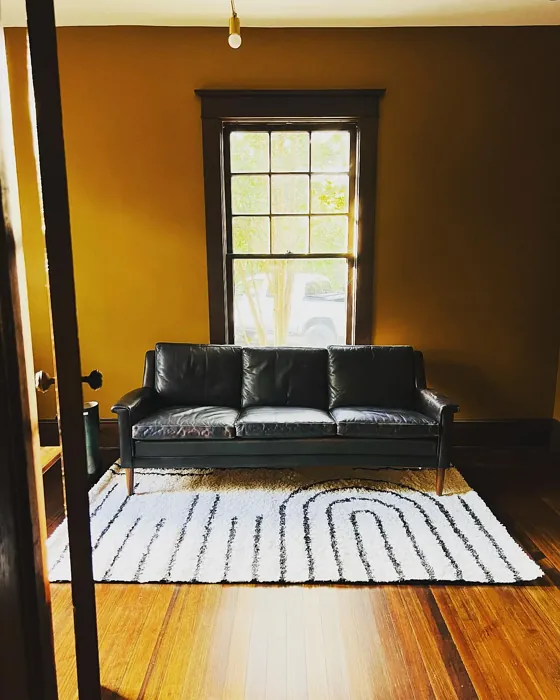
Golden Bark sits firmly in the warm color family, thanks to its red undertones. That warmth makes it incredibly versatile—it pairs beautifully with natural materials like wood and leather, and it can adapt to everything from traditional to bohemian decor. Imagine it on your walls with a brass chandelier overhead and a plush cream sofa beneath. The golden undertones catch the light just right, giving the room depth without feeling heavy. But here’s the thing: lighting matters. In a sun-drenched room, Golden Bark glows, pulling out those honeyed hues. In lower light, it deepens, creating a moodier, more intimate vibe. That’s why it’s a star in spaces like living rooms and bedrooms, where comfort is key.
One of the biggest perks of Golden Bark is its practicality. With a Light Reflectance Value (LRV) of 18.99%, it’s medium-dark—meaning it absorbs more light than it reflects. This makes it fantastic for larger rooms or spaces where you want to dial up the coziness. But if you’re working with a small, dim room, tread carefully. Too much of this rich hue can make the space feel smaller. A pro tip? Use it on an accent wall paired with lighter trim (Benjamin Moore’s Simply White is a dream combo) to keep things balanced. And don’t forget: always test a swatch in your actual space. Paint colors are chameleons, shifting with the light and your surroundings.
When it comes to application, Golden Bark is a dream. It’s beginner-friendly, with excellent coverage—often just one or two coats will do the trick. It’s also low-VOC and eco-certified, so you can breathe easy knowing it’s safe for your family and the planet. Choose your finish based on the room’s needs: matte for a soft, velvety look in low-traffic areas, eggshell or satin for a subtle sheen in living spaces, or semi-gloss for trim and doors if you want a bit of shine. And because it’s scrubbable and stain-resistant, it holds up well in busy households.
Now, let’s talk pairings. Golden Bark’s warm undertones make it a team player with a range of colors. For a classic look, pair it with crisp whites or soft creams. Want something bolder? Deep blues or greens create a striking contrast that feels sophisticated and fresh. Metallic accents, especially brass or gold, amplify its golden notes, adding a touch of luxury. And if you love a natural vibe, layer in textures like jute rugs, linen curtains, and reclaimed wood furniture. The result? A space that feels curated and lived-in, all at once.
Of course, no color is perfect for every situation. Golden Bark might not be the best fit if your style leans ultra-modern or minimalist—it’s all about warmth and texture, so it shines in rustic, farmhouse, or traditional settings. And while it’s versatile, it’s not a one-size-fits-all solution. If your room lacks natural light, you might find it feels a bit too heavy. But here’s the good news: Benjamin Moore offers lighter shades in the same family (like Chestertown Buff) if you love the vibe but need something brighter.
At the end of the day, Golden Bark is more than just a paint color—it’s a mood. It’s the feeling of sinking into a leather armchair by the fire, or the warmth of a wooden dining table set for a family dinner. If you’re craving a space that feels grounded, inviting, and effortlessly stylish, this could be your go-to. So grab a sample, paint a test patch, and see how it transforms your walls. You might just fall in love with the way it turns your house into a home.
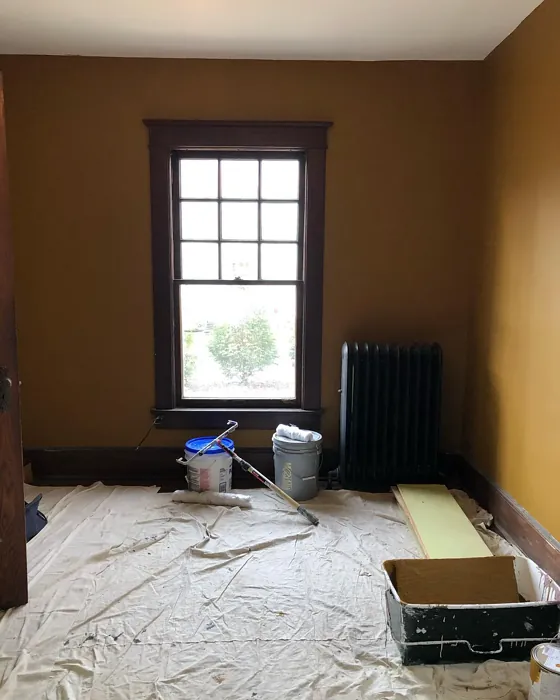
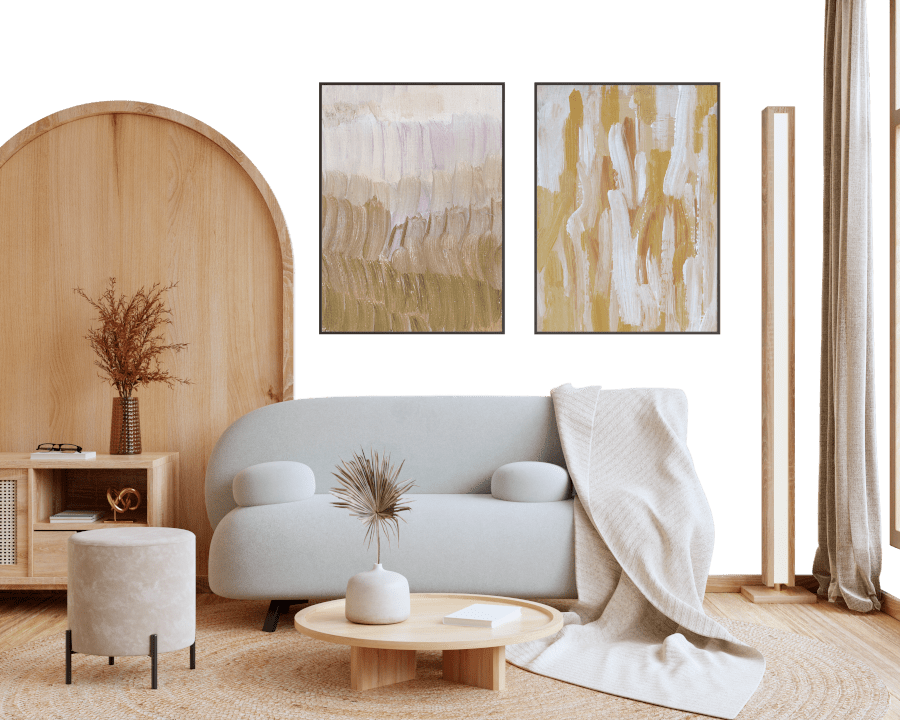
Real Room Photo of Golden Bark 2153-10
Undertones of Golden Bark ?
The undertones of Golden Bark are a key aspect of its character, leaning towards Red. These subtle underlying hues are what give the color its depth and complexity. For example, a gray with a blue undertone will feel cooler and more modern, while one with a brown undertone will feel warmer and more traditional. It’s essential to test this paint in your home and observe it next to your existing furniture, flooring, and decor to see how these undertones interact and reveal themselves throughout the day.
HEX value: #96722E
RGB code: 150, 114, 46
Is Golden Bark Cool or Warm?
Golden Bark falls into the warm category due to its rich golden and brown undertones. This warmth translates into a cozy and inviting atmosphere, making it suitable for spaces where comfort is prioritized. Warm colors like Golden Bark can make a room feel more intimate and are ideal for creating a welcoming vibe.
Understanding Color Properties and Interior Design Tips
Hue refers to a specific position on the color wheel, measured in degrees from 0 to 360. Each degree represents a different pure color:
- 0° represents red
- 120° represents green
- 240° represents blue
Saturation describes the intensity or purity of a color and is expressed as a percentage:
- At 0%, the color appears completely desaturated—essentially a shade of gray
- At 100%, the color is at its most vivid and vibrant
Lightness indicates how light or dark a color is, also expressed as a percentage:
- 0% lightness results in black
- 100% lightness results in white
Using Warm Colors in Interior Design
Warm hues—such as reds, oranges, yellows, warm beiges, and greiges—are excellent choices for creating inviting and energetic spaces. These colors are particularly well-suited for:
- Kitchens, living rooms, and bathrooms, where warmth enhances comfort and sociability
- Large rooms, where warm tones can help reduce the sense of emptiness and make the space feel more intimate
For example:
- Warm beige shades provide a cozy, inviting atmosphere, ideal for living rooms, bedrooms, and hallways.
- Warm greige (a mix of beige and gray) offers the warmth of beige with the modern appeal of gray, making it a versatile backdrop for dining areas, bedrooms, and living spaces.
However, be mindful when using warm light tones in rooms with limited natural light. These shades may appear muted or even take on an unpleasant yellowish tint. To avoid a dull or flat appearance:
- Add depth by incorporating richer tones like deep greens, charcoal, or chocolate brown
- Use textured elements such as curtains, rugs, or cushions to bring dimension to the space
Pro Tip: Achieving Harmony with Warm and Cool Color Balance
To create a well-balanced and visually interesting interior, mix warm and cool tones strategically. This contrast adds depth and harmony to your design.
- If your walls feature warm hues, introduce cool-colored accents such as blue or green furniture, artwork, or accessories to create contrast.
- For a polished look, consider using a complementary color scheme, which pairs colors opposite each other on the color wheel (e.g., red with green, orange with blue).
This thoughtful mix not only enhances visual appeal but also creates a space that feels both dynamic and cohesive.

Light Temperature Affects on Golden Bark
Natural Light
Natural daylight changes in color temperature as the sun moves across the sky. At sunrise and sunset, the light tends to have a warm, golden tone with a color temperature around 2000 Kelvin (K). As the day progresses and the sun rises higher, the light becomes cooler and more neutral. Around midday, especially when the sky is clear, natural light typically reaches its peak brightness and shifts to a cooler tone, ranging from 5500 to 6500 Kelvin. This midday light is close to what we perceive as pure white or daylight-balanced light.
These shifts in natural light can significantly influence how colors appear in a space, which is why designers often consider both the time of day and the orientation of windows when planning interior color schemes.
Artificial Light
When choosing artificial lighting, pay close attention to the color temperature, measured in Kelvin (K). This determines how warm or cool the light will appear. Lower temperatures, around 2700K, give off a warm, yellow glow often used in living rooms or bedrooms. Higher temperatures, above 5000K, create a cool, bluish light similar to daylight, commonly used in kitchens, offices, or task areas.
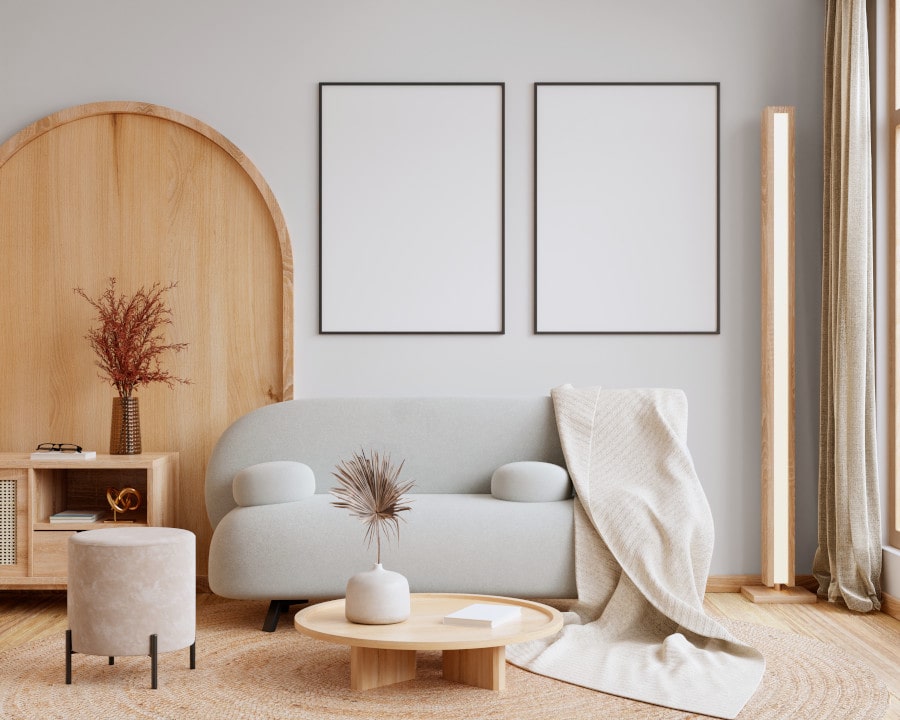
Use the slider to see how lighting temperature can affect the appearance of a surface or color throughout a space.
4800K
LRV of Golden Bark
The Light Reflectance Value (LRV) of Golden Bark is 18.99%, which places it in the Medium Dark category. This means it reflects very little light. Understanding a paint’s LRV is crucial for predicting how it will look in your space. A higher LRV indicates a lighter color that reflects more light, making rooms feel larger and brighter. A lower LRV signifies a darker color that absorbs more light, creating a cozier, more intimate atmosphere. Always consider the natural and artificial lighting in your room when selecting a paint color based on its LRV.
Detailed Review of Golden Bark
Additional Paint Characteristics
Ideal Rooms
Bedroom, Dining Room, Home Office, Living Room
Decor Styles
Bohemian, Modern Farmhouse, Rustic, Traditional
Coverage
Good (1–2 Coats), High Hide, Self-Priming
Ease of Application
Beginner Friendly, Brush Smooth, Fast-Drying, Low Splatter, Roller-Ready
Washability
Scrubbable, Stain Resistant, Washable
VOC Level
Eco-Certified, Low VOC
Best Use
Accent Wall, Interior Walls, Large Spaces
Room Suitability
Bedroom, Dining Room, Home Office, Living Room
Tone Tag
Earthy, Muted, Warm
Finish Type
Eggshell, Matte, Satin, Semi-Gloss
Paint Performance
Fade Resistant, High Coverage, Long Lasting, Low Odor, Scuff Resistant
Use Cases
Best for Low Light Rooms, Best for Open Concept, Classic Favorite
Mood
Cozy, Grounding, Inviting
Trim Pairing
Complements Brass Fixtures, Good with Wood Trim, Pairs with Simply White
Golden Bark is a paint color that brings the outside in, creating a cozy and inviting atmosphere. Its earthy tones are perfect for those who appreciate a natural aesthetic or want to add warmth to their home. This color works exceptionally well in spaces like living rooms or bedrooms where relaxation is key. The golden undertones make it versatile enough to pair with a variety of accent colors and decor styles, especially those leaning towards rustic or traditional. With a good coverage rating, it typically requires just 1–2 coats for a flawless finish, even without a primer. This makes it not only aesthetically pleasing but also practical for DIY enthusiasts.
Pros & Cons of 2153-10 Golden Bark
Pros
Cons
Colors that go with Benjamin Moore Golden Bark
FAQ on 2153-10 Golden Bark
Is Golden Bark a good choice for small rooms?
Golden Bark can be used in small rooms, but it’s essential to consider the lighting. If the room has ample natural light, the color can work beautifully by adding warmth and coziness. However, in small rooms with limited light, it might make the space feel more confined. Using it as an accent wall or pairing it with lighter trim can help balance the effect and keep the room from feeling too enclosed.
What colors complement Golden Bark?
Golden Bark pairs well with a variety of colors, thanks to its warm undertones. For a sophisticated look, consider pairing it with deep blues or greens, which provide a stunning contrast. For a more neutral palette, soft creams and beiges work well, creating a harmonious and calming atmosphere. If you’re feeling adventurous, metallic accents like brass or gold can add a touch of elegance and highlight the golden undertones of Golden Bark.
Comparisons Golden Bark with other colors
No similar paints found.
Official Page of Benjamin Moore Golden Bark 2153-10